🌟 Experience the unique adventure of the Hackathon
For five intense and inspiring days, you’ll share your knowledge with other passionate participants from diverse backgrounds and develop projects in the field of your choice (astronomy, biodiversity, migration, architecture, computer science, or programming).
This interdisciplinary event will allow you to contribute actively to global and human challenges while expanding your professional network.
Take advantage of the presence of experts and enthusiasts, and leave with the key tools to bring your project to life.
🔬 In a world in motion, building a sustainable future through citizen science
Citizen science is a powerful tool for imagining and designing concrete solutions to today’s major challenges.
Whether it’s protecting the environment, rethinking our lifestyles, or exploring new forms of social and technological innovation, everyone can play an active role in building, together, a sustainable future through collective intelligence.
This Hackathon draws on citizen science to explore movement in all its forms — human migrations, cosmic cycles such as the solar eclipse, and ecological transformations — and to imagine innovative solutions to environmental and social challenges.
Climate change has become a pressing issue for our societies. Its effects impact all living beings, including human populations.
Today, and even more so tomorrow, climate change puts people in vulnerable situations. Forced to migrate, they often find themselves without any means to act.
This Hackathon aims to be a space for innovation to build a more resilient, united, and sustainable world by connecting the themes of environment and migration.
Through citizen science and public participation, this Hackathon seeks to provide solutions both for migrants already affected by the consequences of climate change and for communities that may one day be forced to relocate due to these disruptions.
🛠 Hackathon: bring your ideas to life
This Hackathon is a learning-by-doing experience that gives you a complete toolbox and the skills you need, while helping you turn your wildest projects into reality.
On site, once teams are formed, you will:
💡 Imagine an innovative solution that inspires you
🏗️ Build your project from A to Z
🎯 Take on challenges proposed by major organizations
🧑🏫 Benefit from expert advice to turn your ideas into reality
After the Hackathon, you will be able to:
🚀 Bring your project to life and expand your initiative
🌍 Scale up other impactful projects to build a better future
👥 Who is it for?
This Hackathon is open to all enthusiasts, students, and professionals from multiple disciplines:
🔬 Environmental and climate sciences
🛰️ Space sciences and oceanography
⚖️ International law, human rights, and migration governance
💡 Technological innovation and ecological engineering
📊 Social and solidarity economy, sustainable development, and territorial resilience
🎓 Education, science mediation, and citizen awareness
🌱 Territorial management, biodiversity conservation and protection
🏥 Public health and access to healthcare for vulnerable populations
🎨 Creative industries and visual storytelling to give voice to migration experiences
🌍 Migration studies, sociology, and anthropology
💼 Economy and sustainable tourism, responsible finance
For which projects? Here are some concrete examples:
Biodiversity
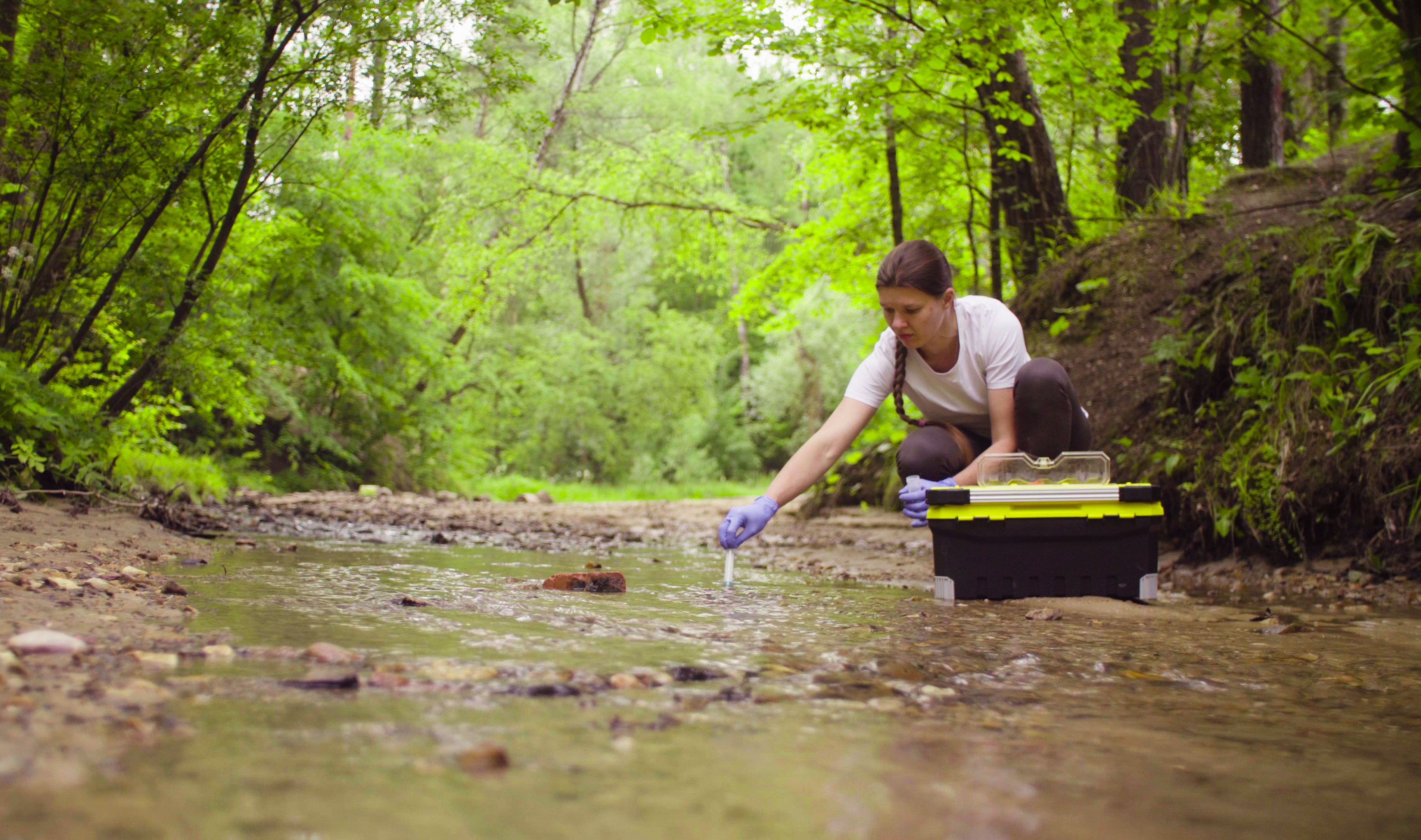
🌱 Naturalists: multiply observations useful for research.
🦋 Natural areas: detect invasive species and early warning signals.
🌾 Local communities: showcase your naturalist knowledge.
🏞️ Local authorities: engage residents, schools, and visitors.
📱 Developers: create simple collection tools.
🎓 Teachers: turn nature outings into investigations.
🤝 NGOs: move from awareness-raising to measurable action.
🌍 Climate actors: connect biodiversity, climate, and migration.
📊 Funders: support conservation with field data.
🧭 Travelers: contribute to a useful and reproducible mission.
Astro/Tech
☀️ Astronomers: coordinate shared solar observations.
🌑 Eclipse enthusiasts: experience collective science.
🛰️ Engineers: design sensors, low-tech tools, and protocols.
📷 Creatives: make astronomy visible and shareable.
🔬 Researchers: connect eclipse, atmosphere, living organisms, and light.
🎓 Trainers: turn the eclipse into a teaching tool.
💡 Makers: test simple and repairable prototypes.
🌐 Developers: create open data and visualizations.
👨👩👧 Curious minds: practice science, even without a degree.
🚀 Project leaders: leave with a structured idea.
Migrations
🧭 Humanitarian actors: co-create alerts, maps, and orientation tools.
⚖️ Legal experts: document climate, rights, and forced displacement.
🌍 Researchers: produce data close to lived experience.
🤝 Associations: build bridges between migrants and territories.
🏘️ Local authorities: understand housing, healthcare, work, and school.
🎤 Creatives: give voice to verified migration stories.
🌾 Displaced communities: showcase your useful knowledge.
📊 Decision-makers: base policies on human-centered data.
🎓 Educators: fight prejudice through investigation.
🕊️ Citizens: move from emotion to concrete action.
Planet & Health
🏥 Healthcare workers: identify the real barriers to accessing care.
🌡️ Climate actors: document impacts on bodies and ways of life.
💧 Water, food, housing: test local solutions.
👥 Communities: become co-authors of diagnoses.
📍 Public services: map needs, risks, and breakdowns.
🌾 Local practitioners: share knowledge on adaptation and prevention.
🔬 Researchers: complement data with lived field experience.
🎓 Schools: work on real climate-health challenges.
💡 Social entrepreneurs: design low-impact solutions.
🌍 Funders: support better-documented projects.
Whether you are a student, researcher, engineer, NGO member, policymaker, or entrepreneur, you are welcome to bring your ideas and build impactful projects within a citizen science framework!
Exceptionally: astronomy activities on site
As the Hackathon takes place at the same location and on the same dates as the Total Solar Eclipse stay organized by the NGO Objectif Sciences International, participants will benefit, throughout the week, from privileged access to observation, practice, and discovery sessions focused on astronomy.
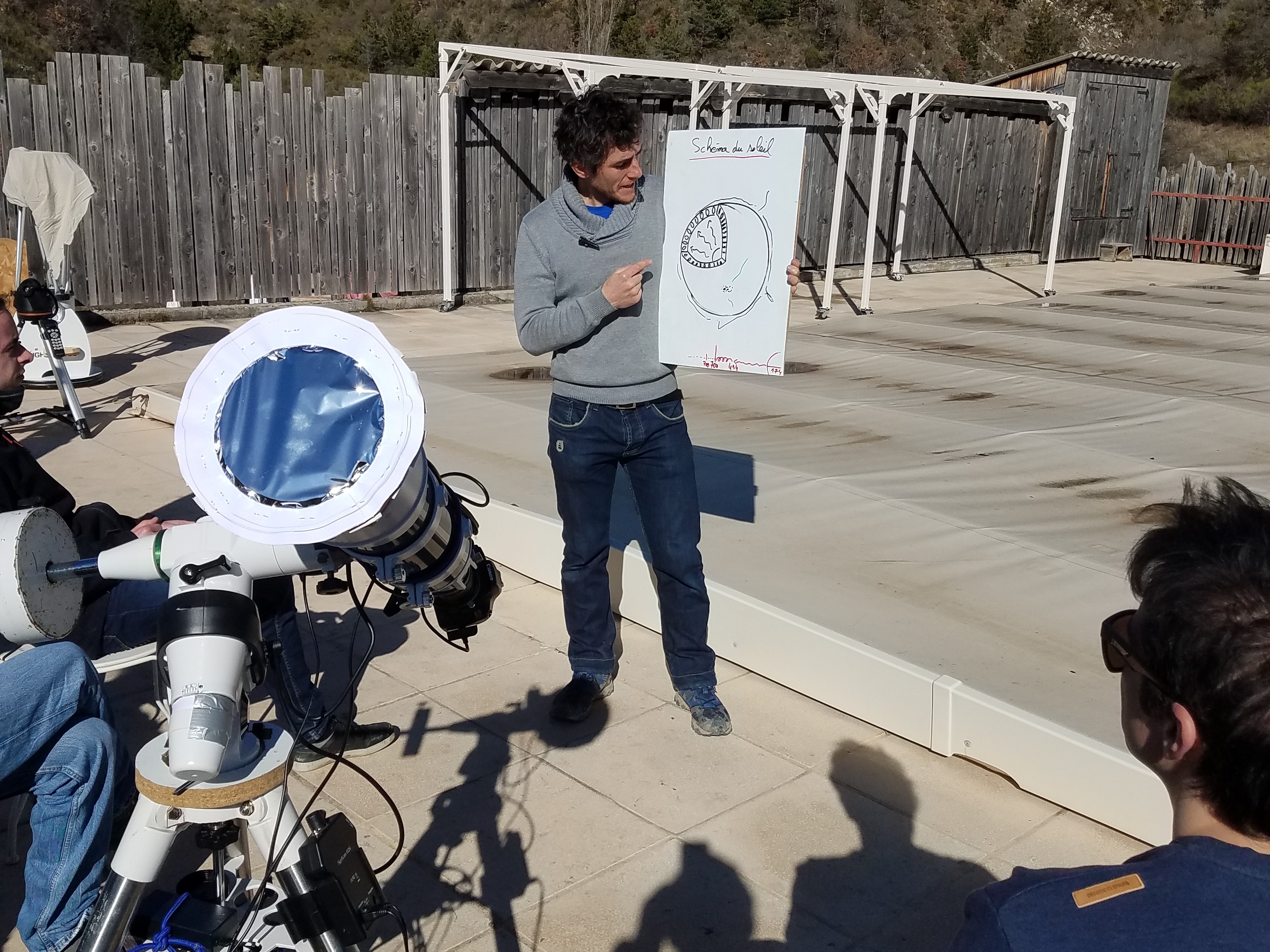
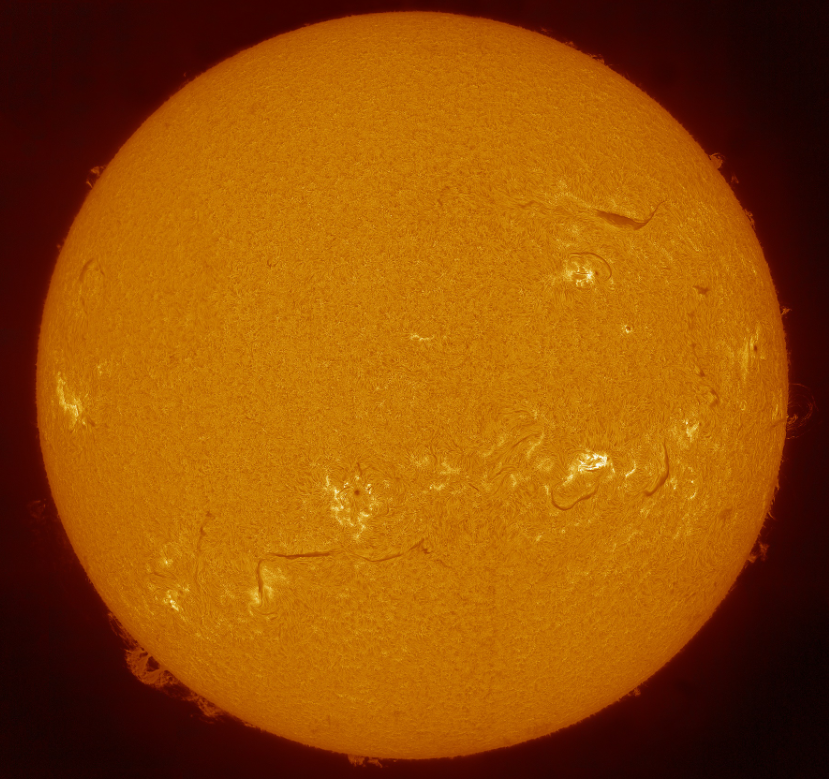
Each day, during the break after lunch, you will be able to observe and follow the sun, sunspots, and, depending on conditions, solar flares, with the specialized facilitators present on site. These sessions will make it possible to better understand our star, its dynamics, its composition, as well as the phenomena that make a total eclipse possible.
Throughout the stay, those who wish will be able to freely practice astrophotography, accompanied by experienced facilitators.
You will be able to learn how to photograph:
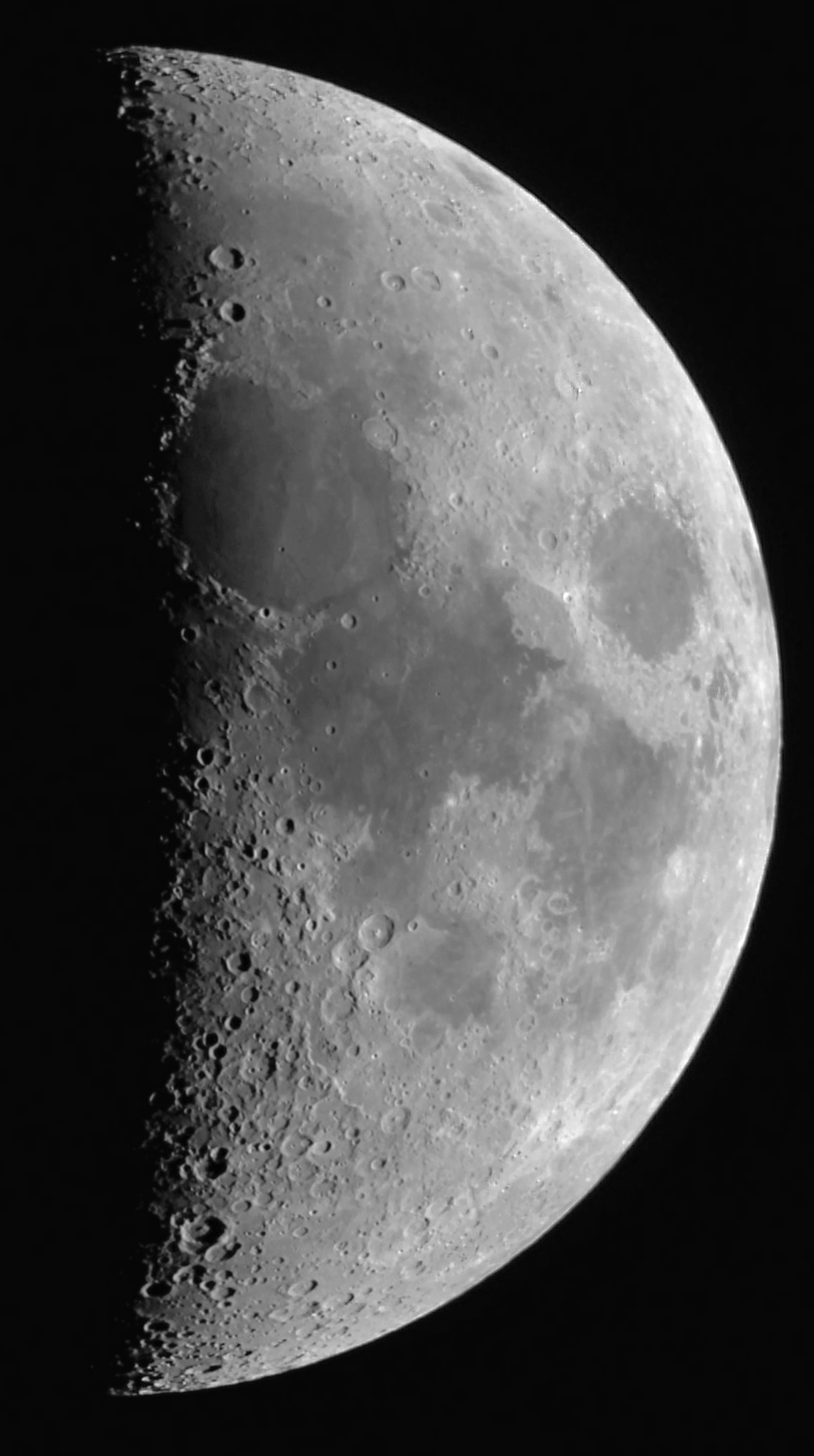
- the moon and its craters,
- Saturn and its rings,
- Jupiter, its cloud bands, and its great spot,
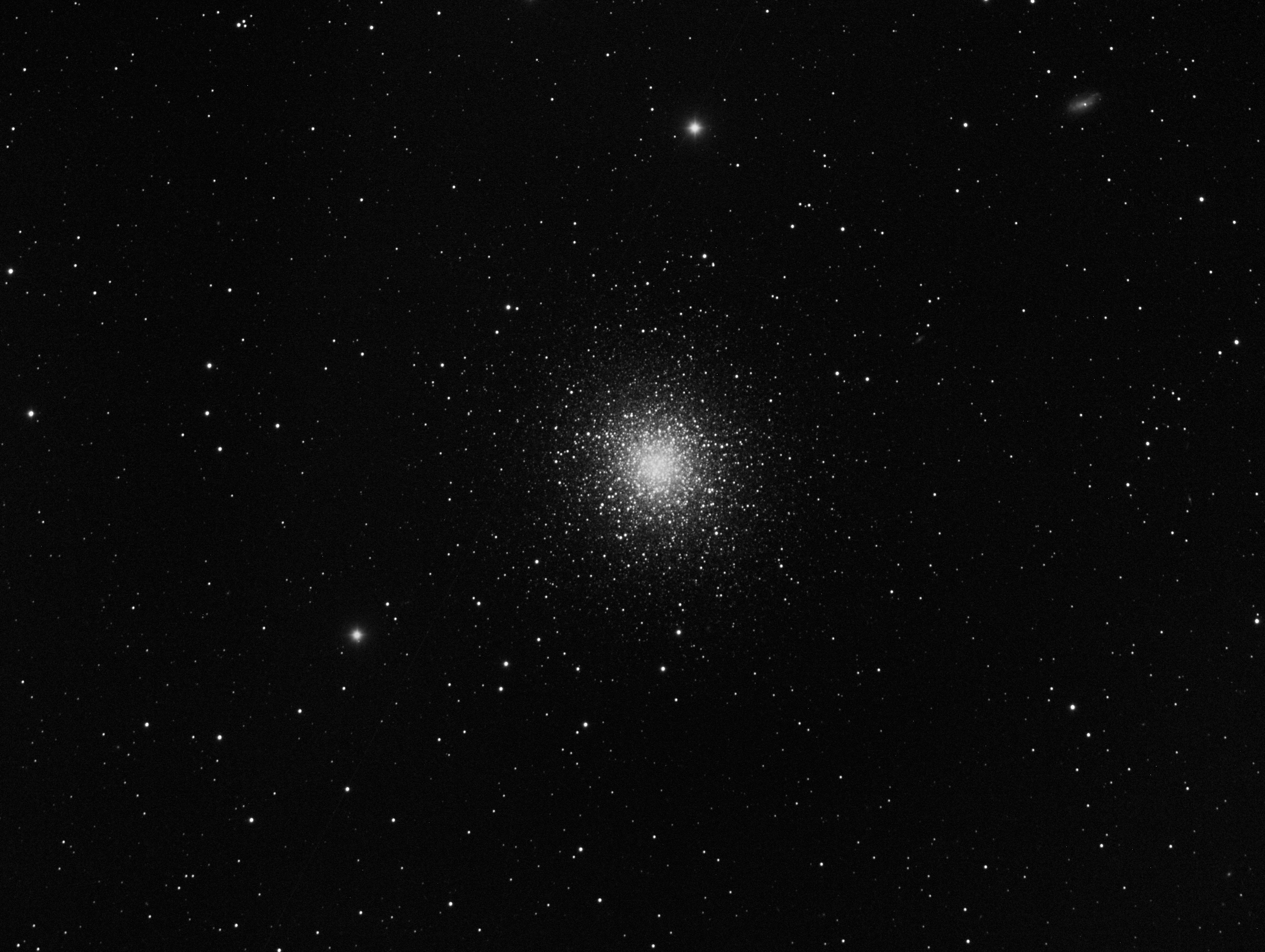
- nebulae,
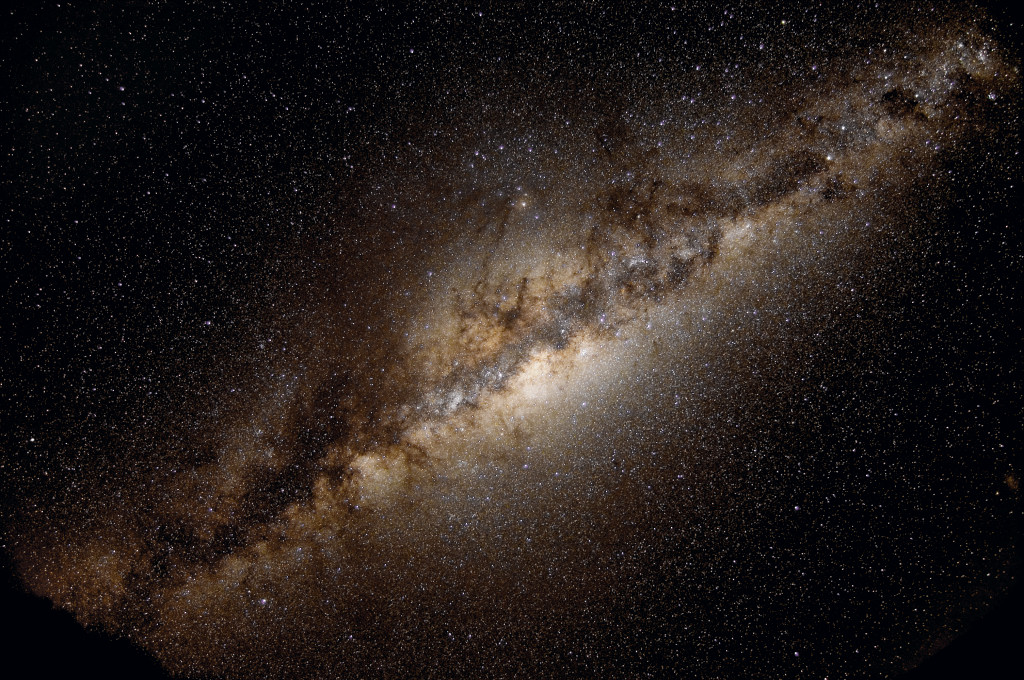
- galaxies,
- and other celestial objects depending on observation conditions.
You will be able to keep your photos as souvenirs, share them with your loved ones, or publish them on your social media.
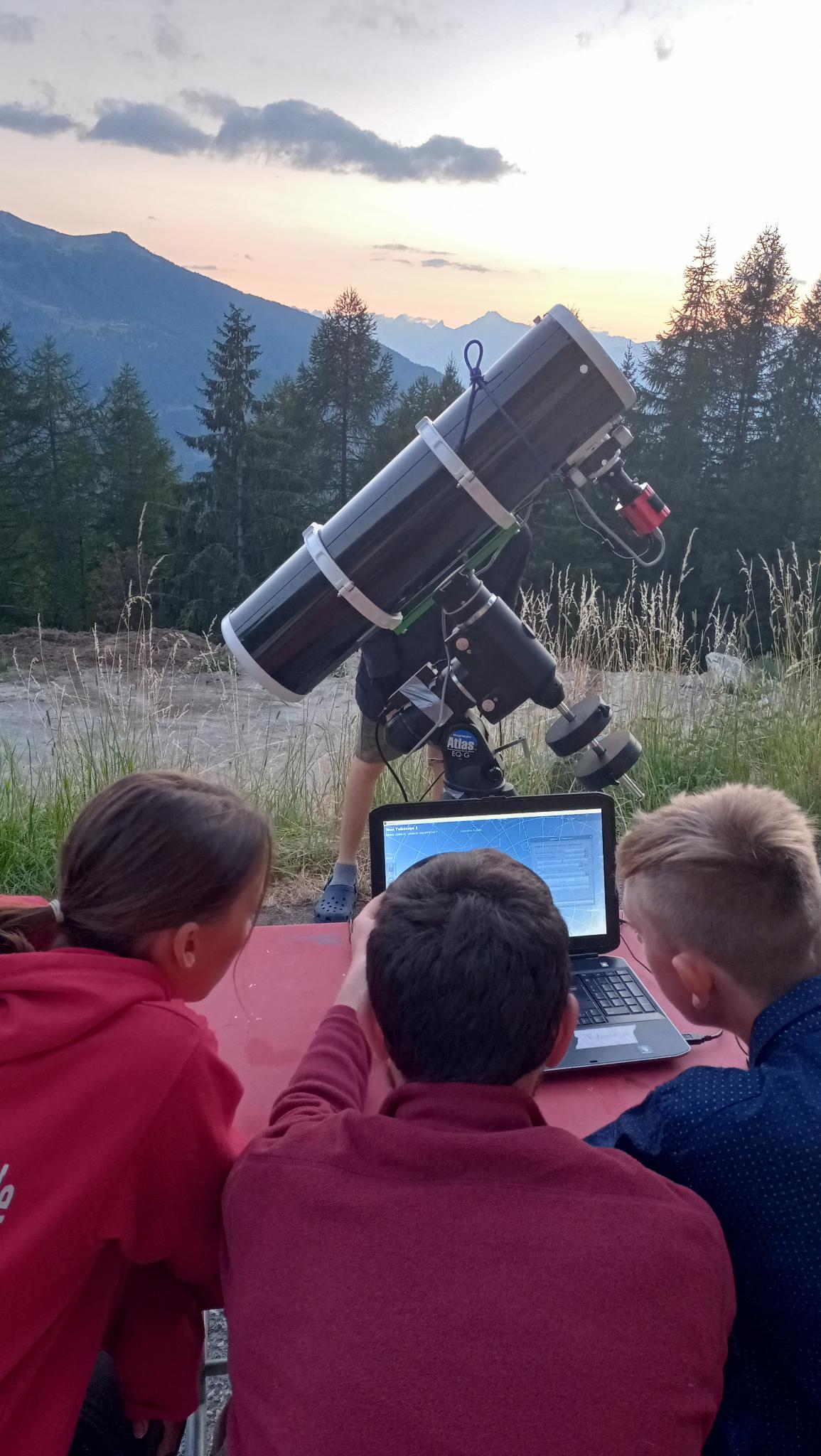
On site, you will also be able to get started or improve in the use of observation instruments, learn how to point telescopes at the desired objects, better understand the basics of astronomical observation, and discover several major concepts of astronomy.
For those who wish, it will also be possible to get started with exoplanet detection, as part of participatory science activities. You will discover how to observe, record, and use data that make it possible to highlight the passage of a planet in front of its star.
Objectif Sciences International is the only organization in the world to have deployed exoplanet detection activities for and by the general public.
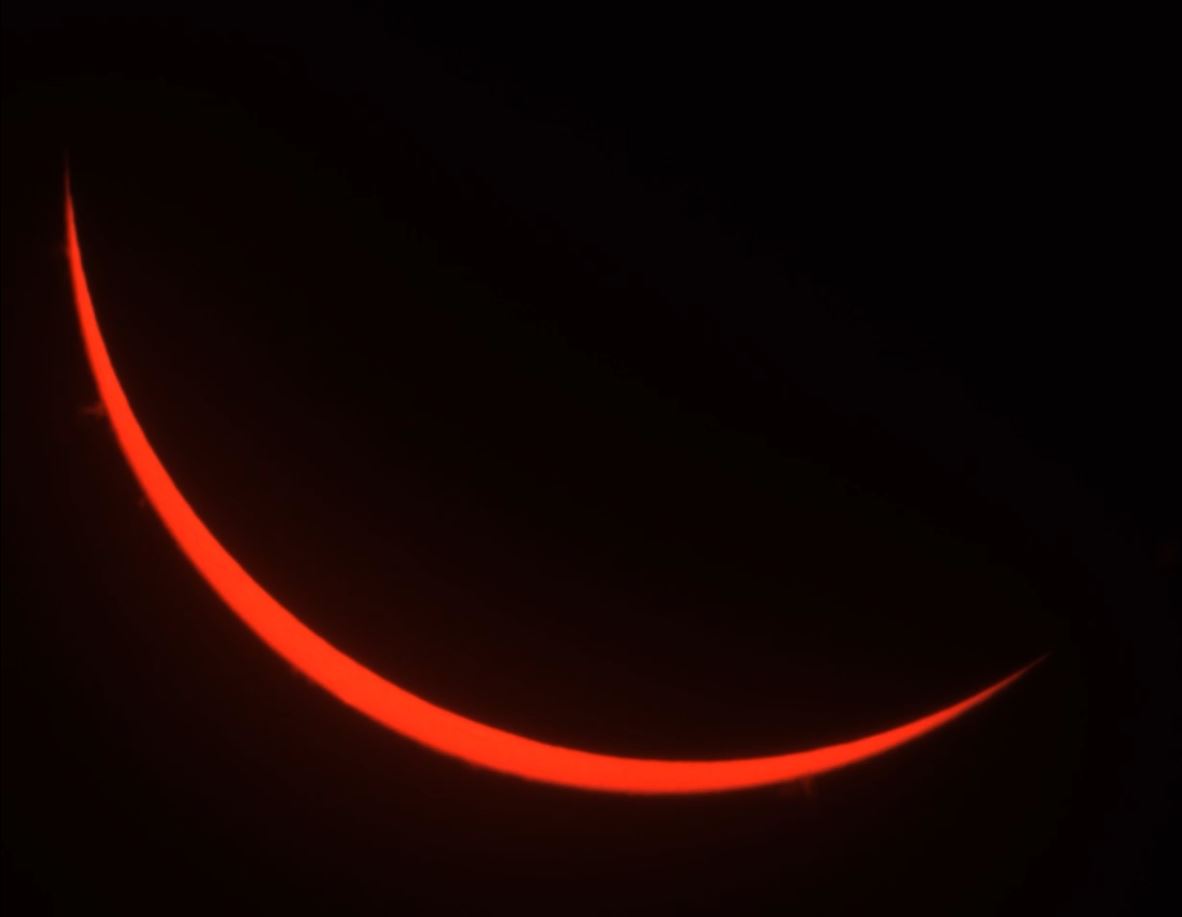
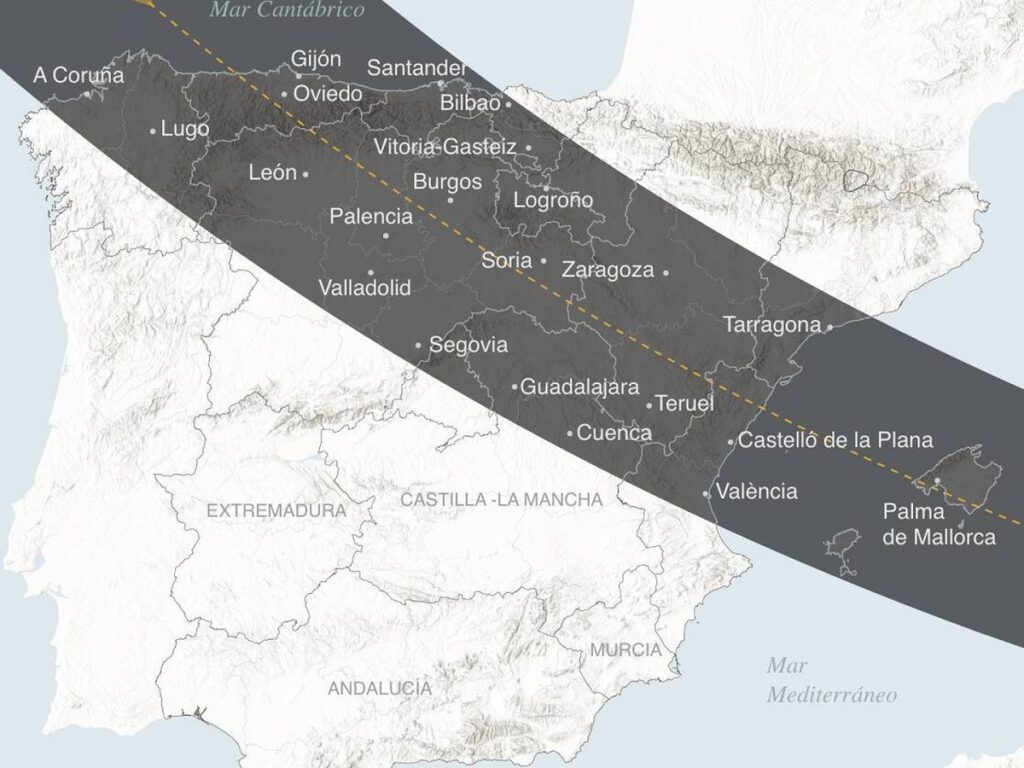
Of course, the whole week will also make it possible to gradually prepare for the observation of the total solar eclipse on August 12, 2026.
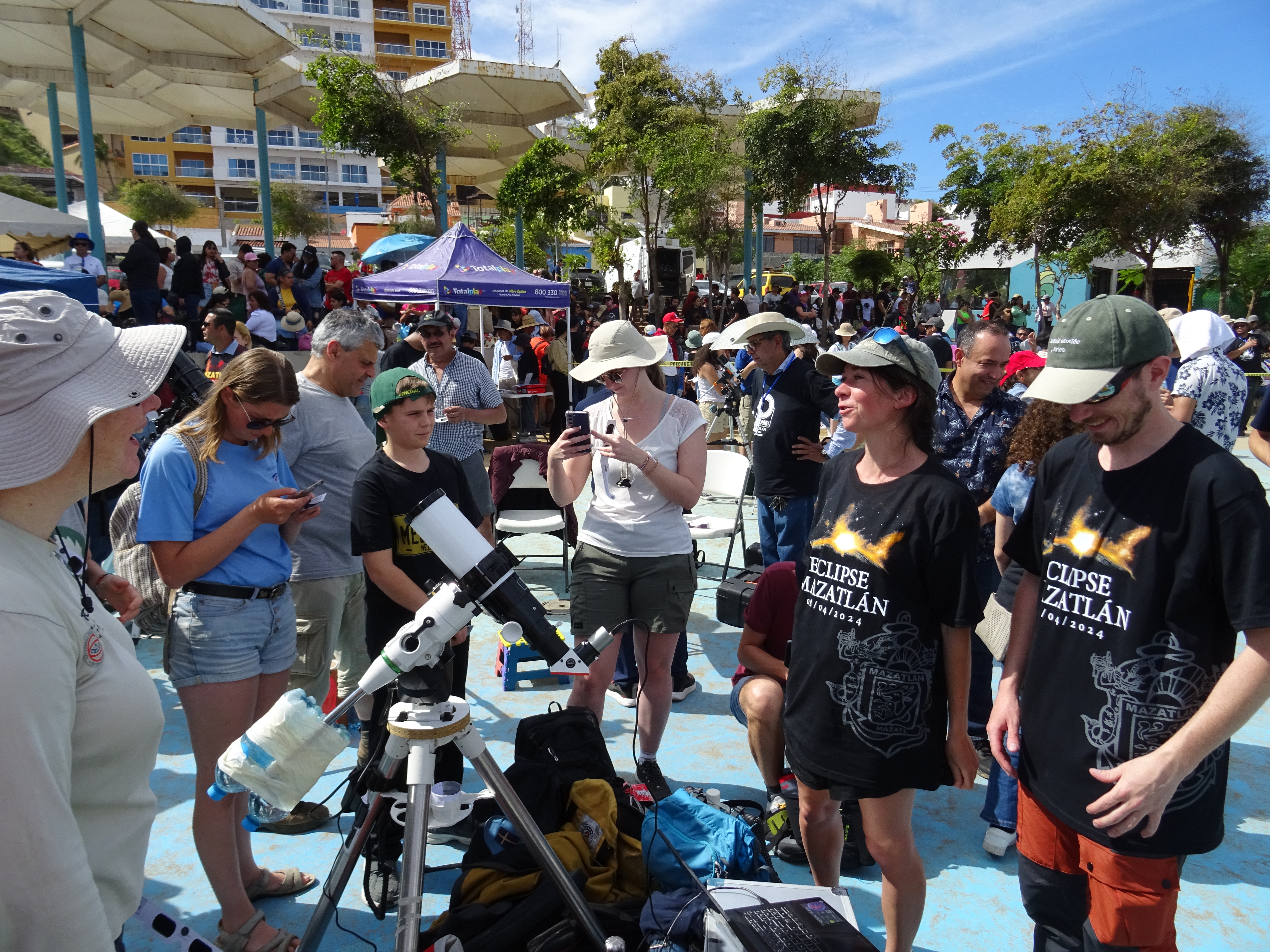
You will be introduced to observing the sun in complete safety, to eclipse-related phenomena, to the right observation practices, as well as to the practical conditions that make it possible to fully experience this rare and exceptional event.
The final observation will take place from a particularly favorable site, chosen for the quality of its horizon and the clarity of its sky, in order to offer the best chances of intensely enjoying this unique moment.
📍 Location:
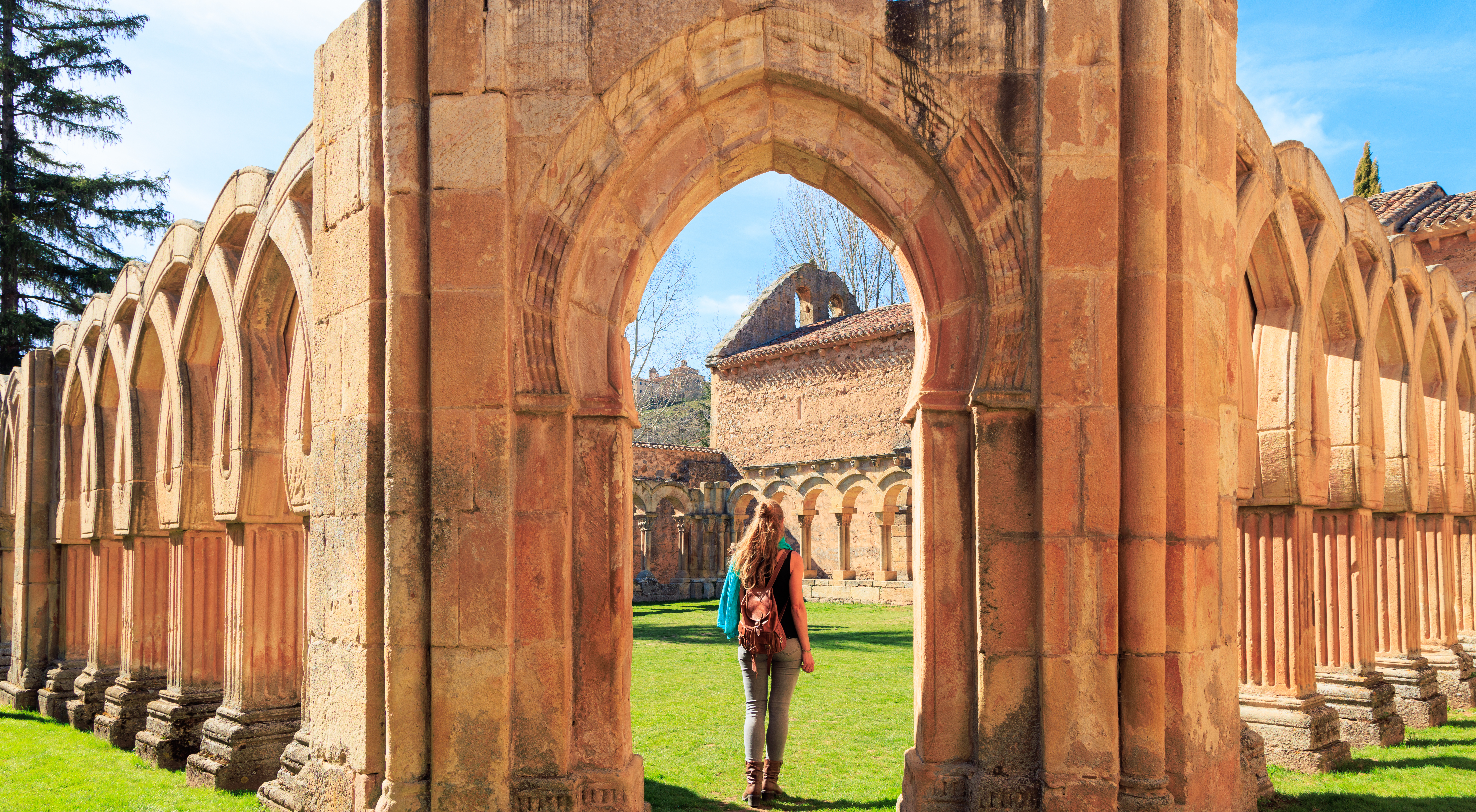
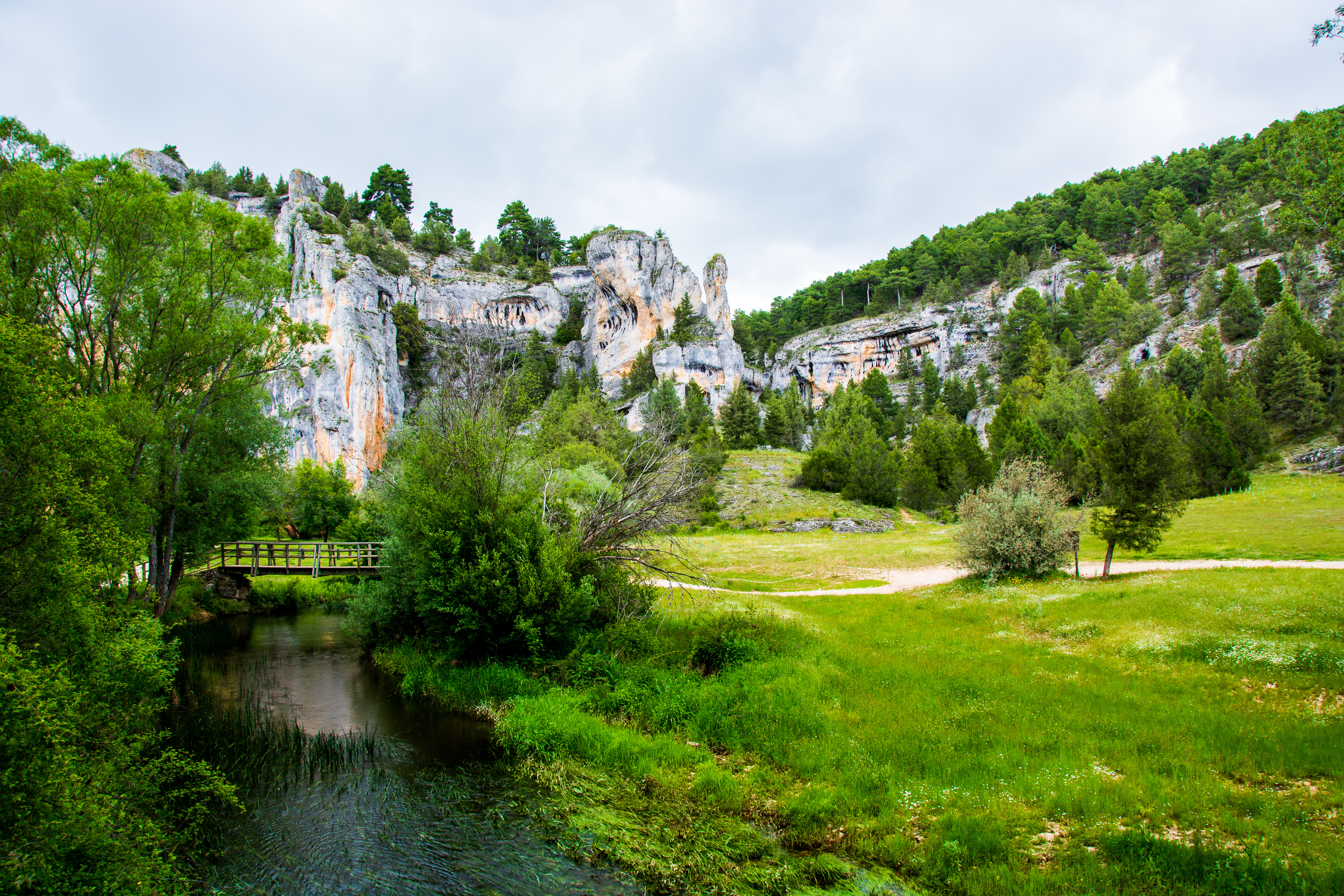
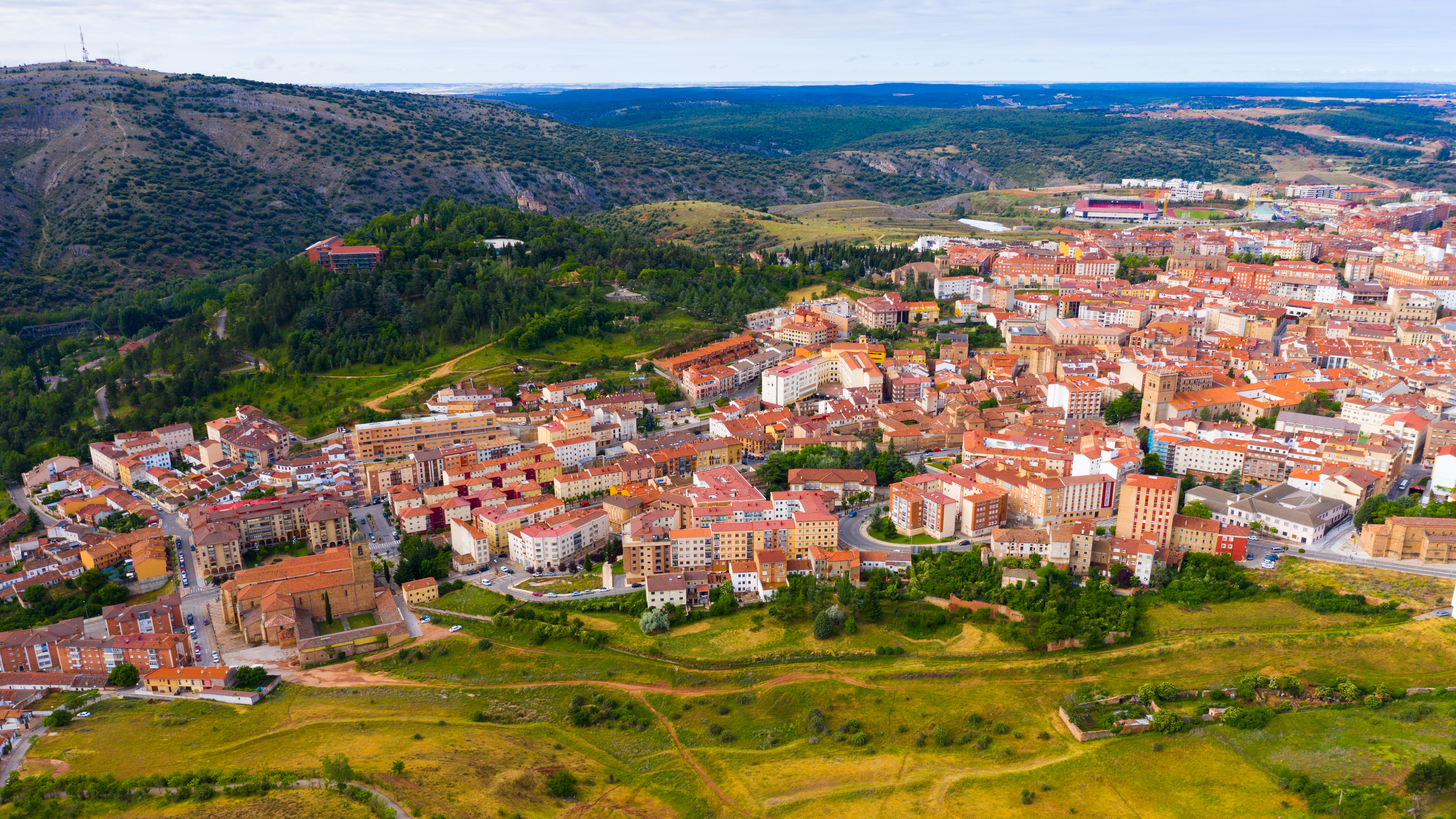
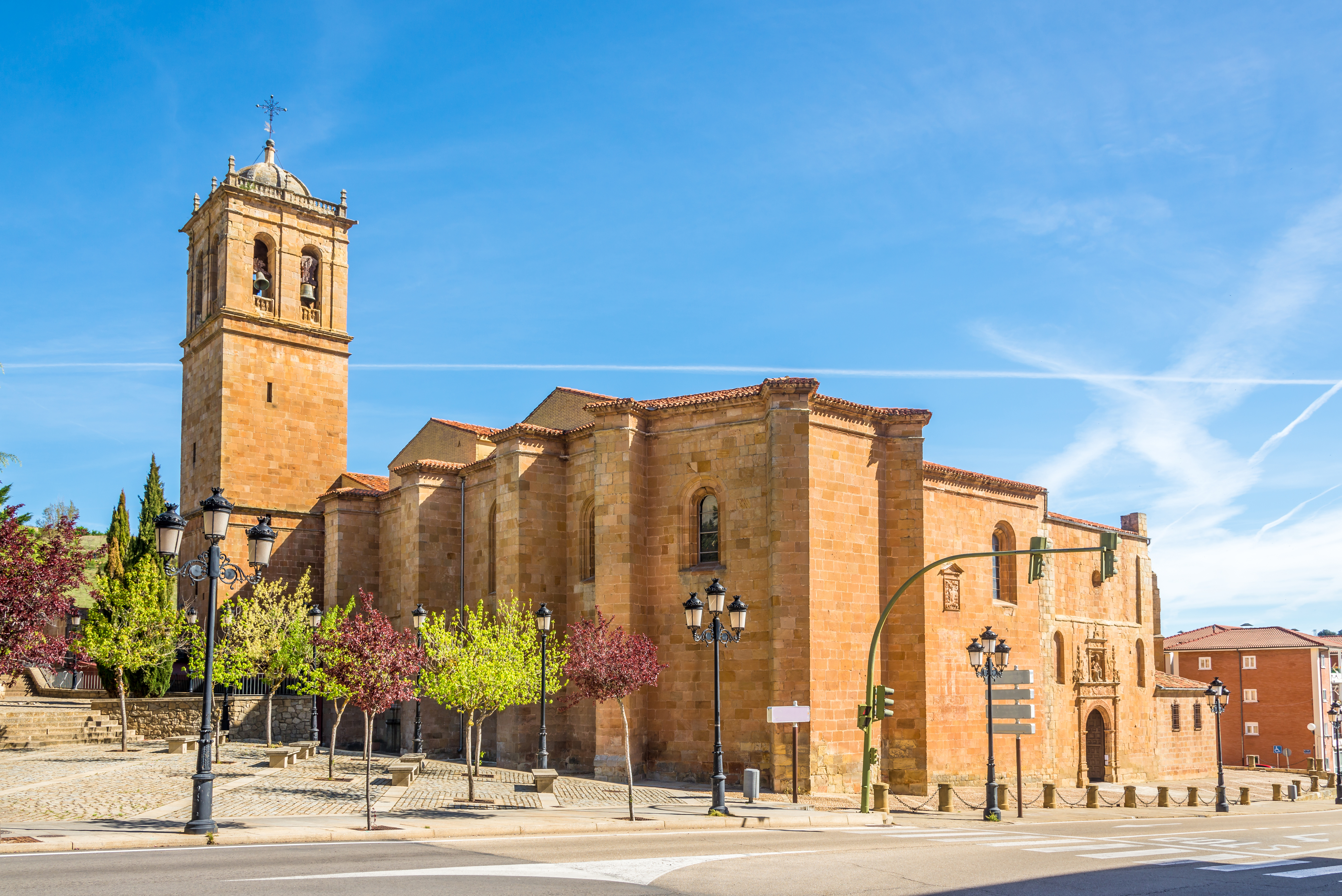
- Abioncillo, Soria, Spain
📆 Dates: - August 10 to 14, 2026
👥 Number of participants: - 50 to 150 people from around the world
💡Develop your skills through a unique experience
📐 Project design, scaling, and management
🤝 Teamwork and interdisciplinary collaboration
🧩 Problem solving
🌐 Networking and partnerships
🎨 Creativity and innovation
🗣️ Communication
⏱️ Time management and organization
🔄 Adaptability and flexibility
🔬 Knowledge in participatory research and citizen science
🎓 Leave with an official certificate validating your participation!
📅A rich and stimulating program
🧑🏫 Mentorship with experts
🛠️ Hands-on workshops
🎤 Final pitch and project presentations
👥 Registration and costs contribution: