Participatory science in brief
Participatory science consists of involving society as a whole in scientific production. By mobilizing diverse actors within multidisciplinary activities, it promotes collective intelligence and the complementarity of knowledge, serving the advancement of knowledge.
Each person can thus contribute to identifying research questions, collecting and analysing data, interpreting results, but also to developing new technologies or innovating methods to address complex issues. Ultimately, science as a whole is strengthened, as is individuals’ ability to better understand and act in the face of complex challenges.
By involving citizens in research, participatory science is a major asset for science and for society
⚖️Democracy and justice in science
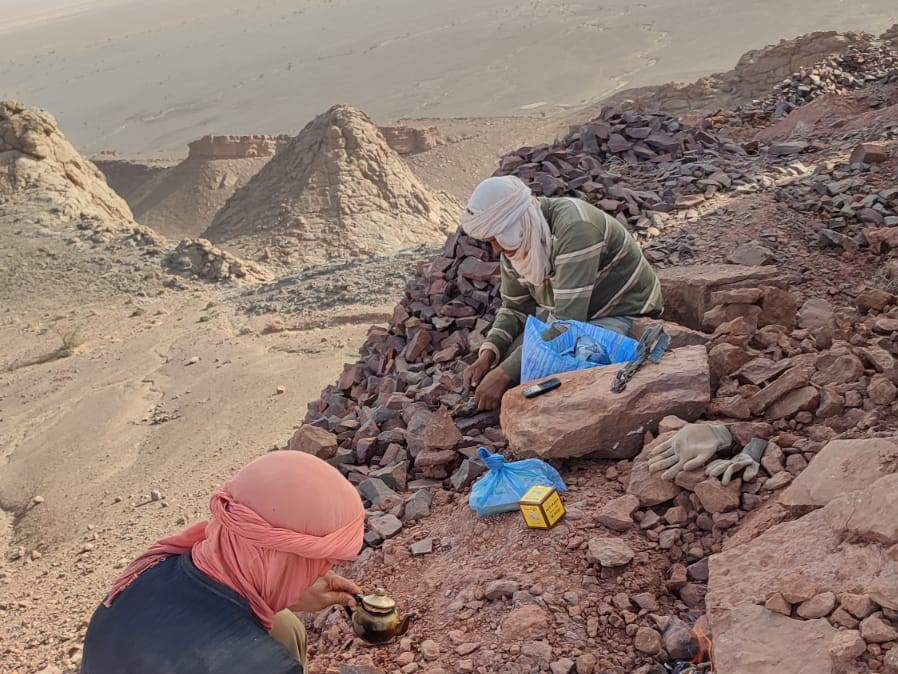
A fairer and more complete science: Participatory science opens science to knowledge that laboratories alone cannot reach. By integrating local realities and community knowledge (indigenous knowledge, traditional practices, field experience), participatory science offers more tailored and consensual responses to major challenges, often resulting in more sustainable and inclusive solutions.
🔍Amplified research capacities
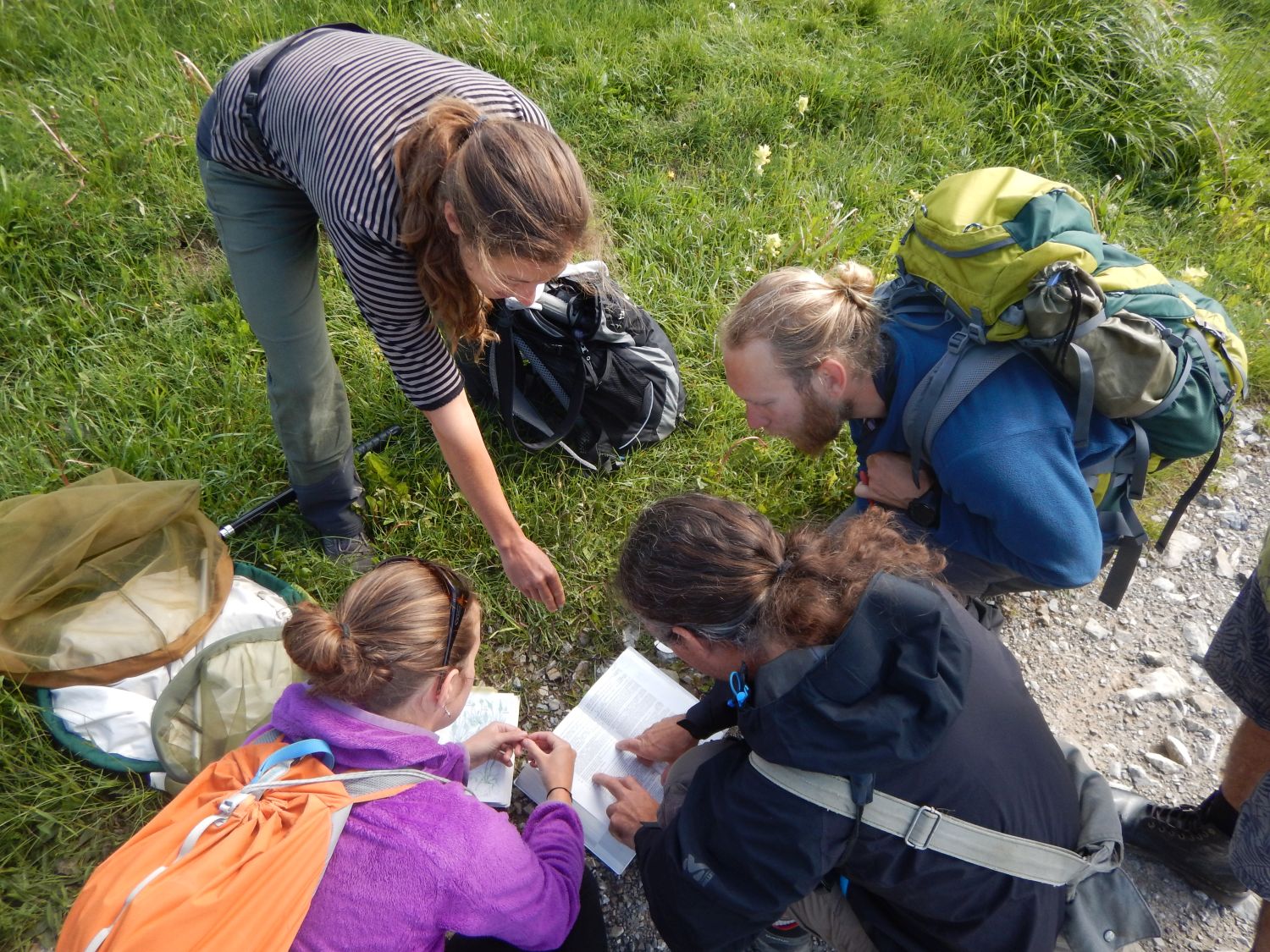
A science without borders or resource limits: By mobilising thousands of citizen-observers, participatory science allows data collection and fields of study to be multiplied, where research laboratories are often limited financially and in terms of human resources. Furthermore, new practices and methodologies can complement existing ways of doing science.
With participatory science, ambitions in research are no longer constrained, it is once again possible to dream bigger.
💪The individual at the heart of the process
A science that values and empowers: Participating in a participatory science project is not about being a mere executor, it is about being a co-author. Such an experience can become a lever for empowerment and individual recognition. By offering the opportunity to be involved in a project from A to Z, participatory science gives the individual the feeling of contributing to something bigger and offers everyone the possibility of feeling fully part of the world.
📚Educational assets and lever for engagement
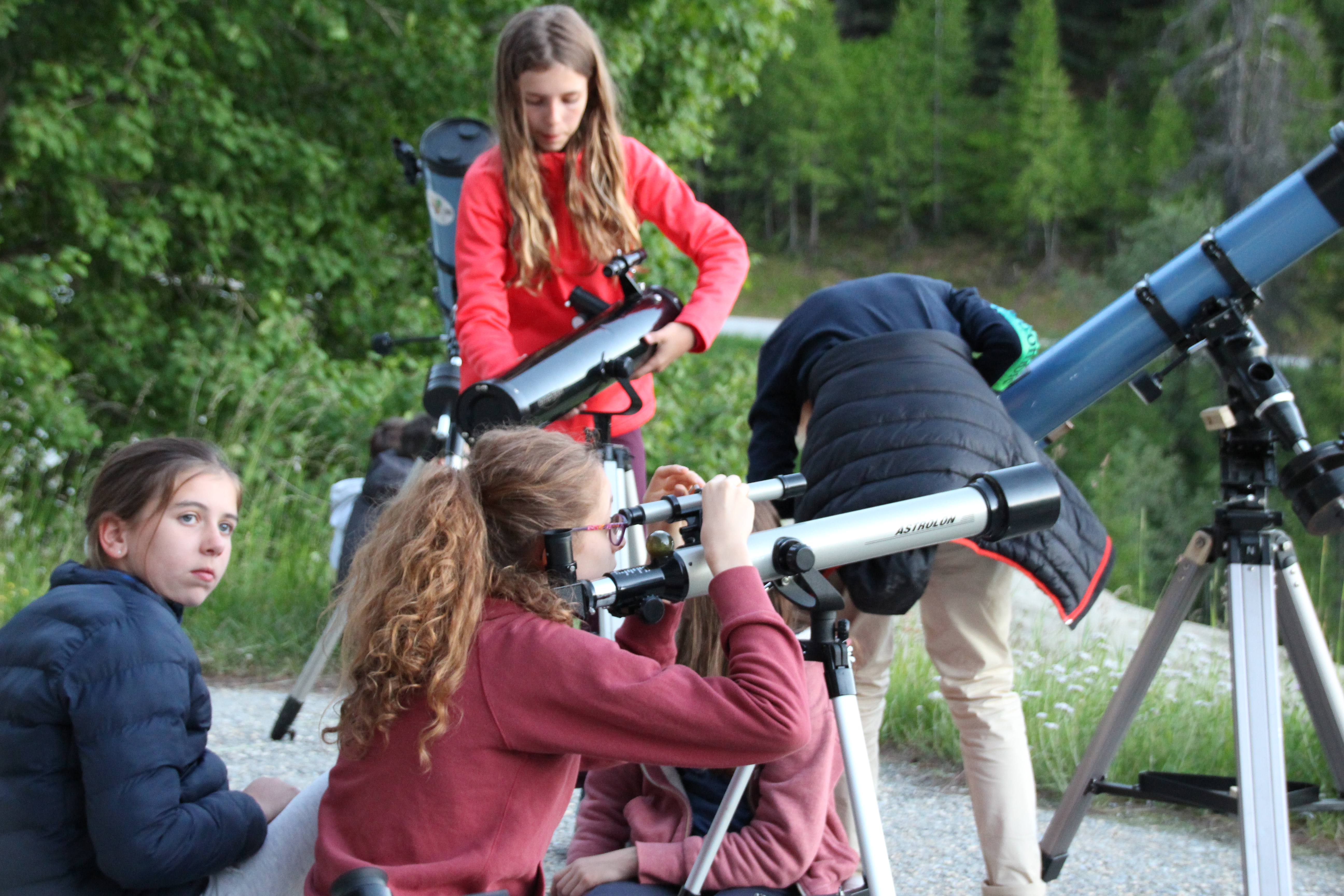
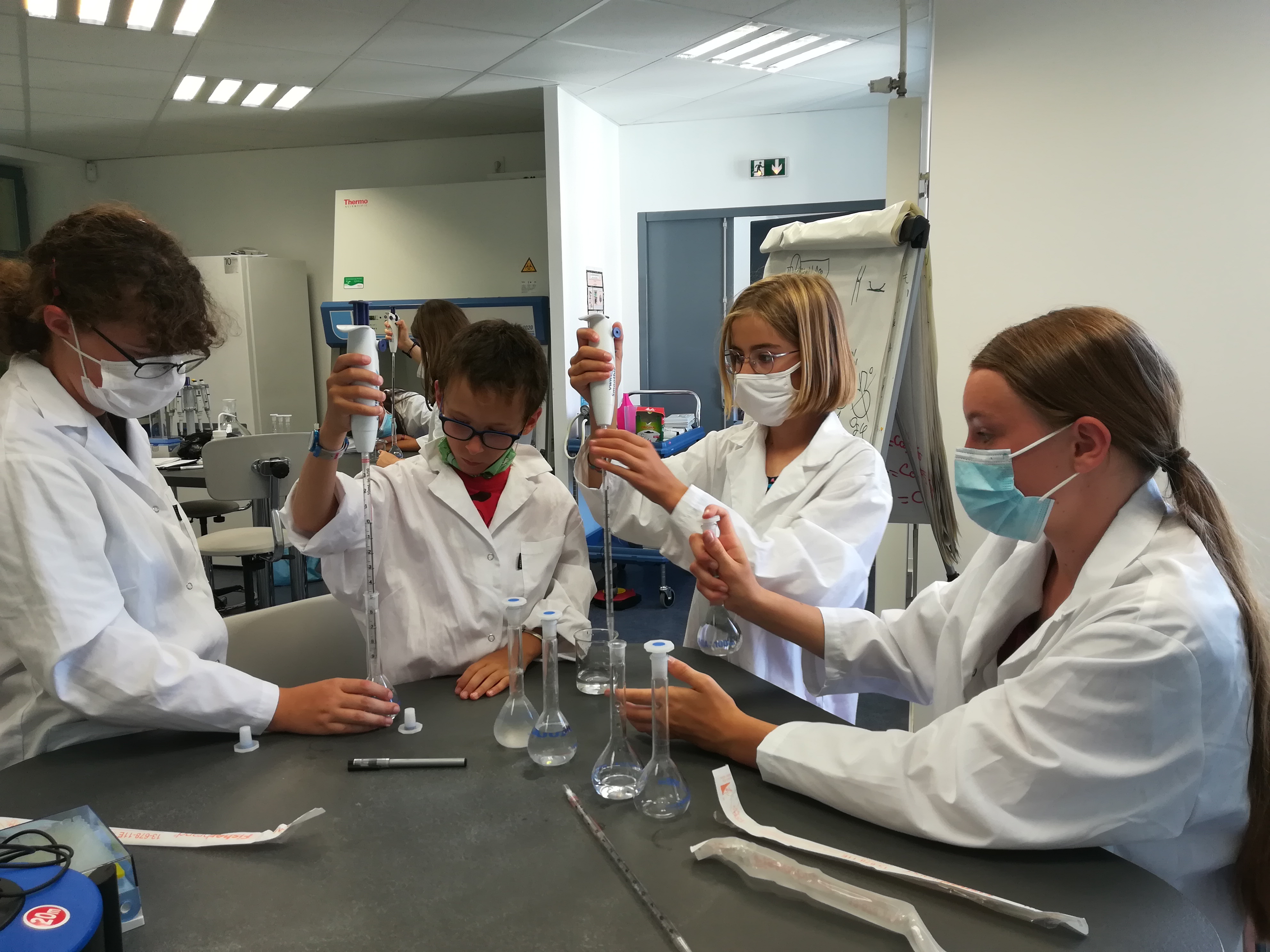
A science learned through practice: Far from top-down pedagogical approaches, participatory science is based on a simple philosophy: we understand better what we do ourselves. By proposing action-based learning and placing participants in concrete situations, it facilitates the appropriation of complex issues, whether climatic, ecological, or social.
Thus, direct experience, rather than discourse alone, constitutes an effective method of awareness-raising, likely to foster engagement and taking action.