🌟 Experience the Hackathon like never before
During five intense and inspiring days, develop team projects for a more resilient and sustainable world in your field of choice: environmental sciences, marine biology, computer science, law, finance, electronics, architecture, management, and more.
This interdisciplinary event allows you to actively contribute to global challenges while expanding your professional network. Take advantage of the presence of passionate participants and experts, and leave equipped with the tools to bring your project to life.
🔬 Building a sustainable future through participatory science
Participatory science is a powerful lever to imagine and design concrete solutions to today’s major challenges. Whether it’s protecting the environment, rethinking lifestyles, or exploring new forms of social and technological innovation, everyone can actively contribute to building a sustainable future through collective intelligence.
🛠 Hackathon: bring your ideas to life
On-site, after team formation, you will:
💡 Imagine an innovative solution that inspires you
🏗️ Build your project from start to finish
🎯 Tackle challenges proposed by major stakeholders
🧑🏫 Receive expert guidance to bring your ideas to reality
After the Hackathon, you will be able to:
🚀 Implement your project and develop your activities
🌍 Scale other impactful projects to help build a better future
👥 Who is it for?
This Hackathon is open to enthusiasts, students, and professionals from various disciplines:
🧑🔬 Environmental sciences and marine biology
📡 Oceanography, space sciences, and marine robotics
⚖ Marine environmental law and ocean governance
💡 Technological innovation and ecological engineering
📊 Blue economy, sustainable finance, and responsible tourism
🎓 Environmental education and awareness
🌱 Coastal zone management and biodiversity protection
💻 Electronics, computer science, and telecommunications
For which projects? Here are some concrete examples:
Terrestrial biodiversity
🌱 Naturalists: reveal the discreet species of forests, gardens, and ravines.
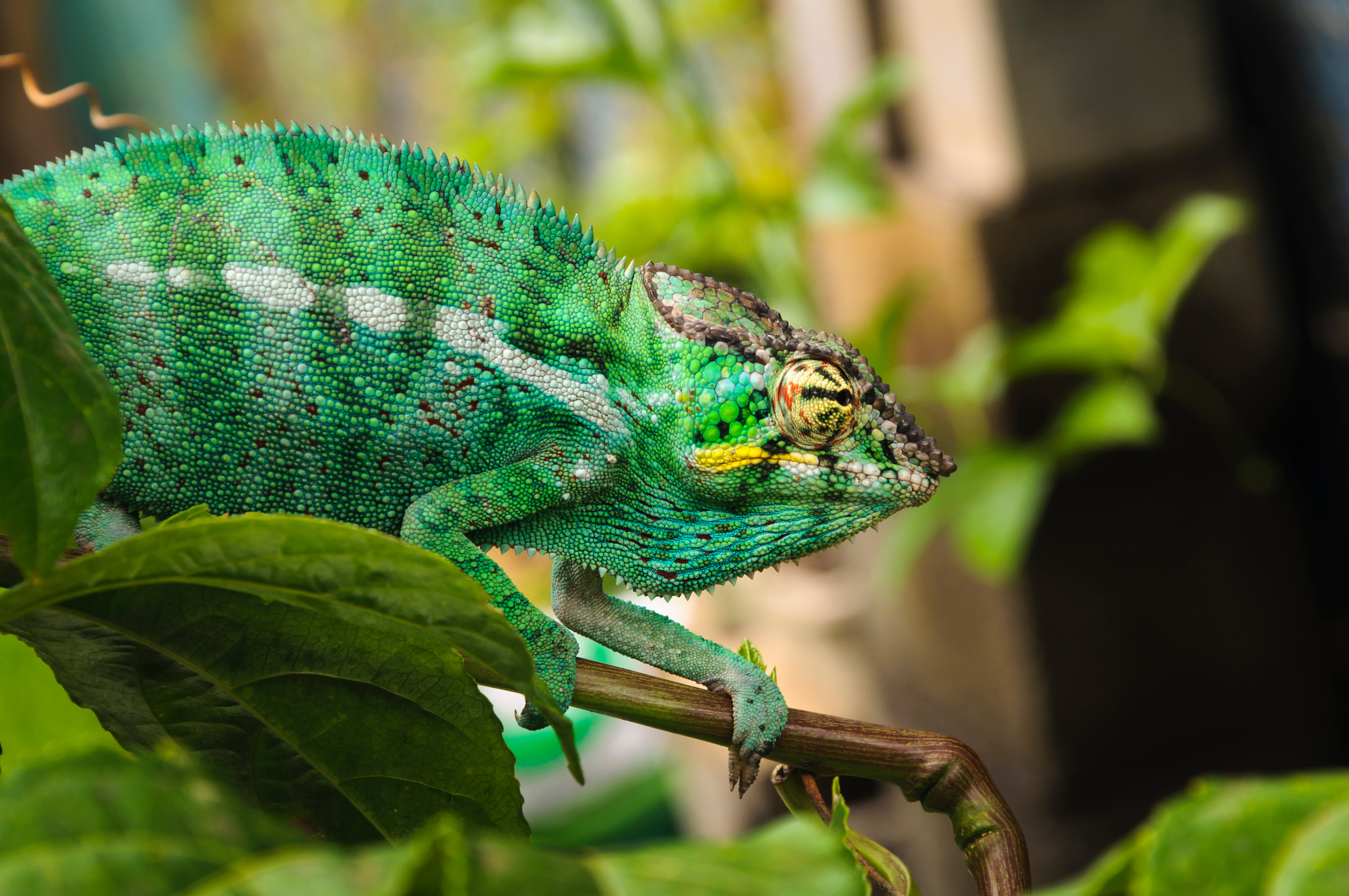
🦎 Residents: protect geckos, bats, insects, and birds where you live.
🦋 Associations: strengthen butterfly, reptile, and refuge projects.
🌳 Highland forests: reconnect young people with living environments.
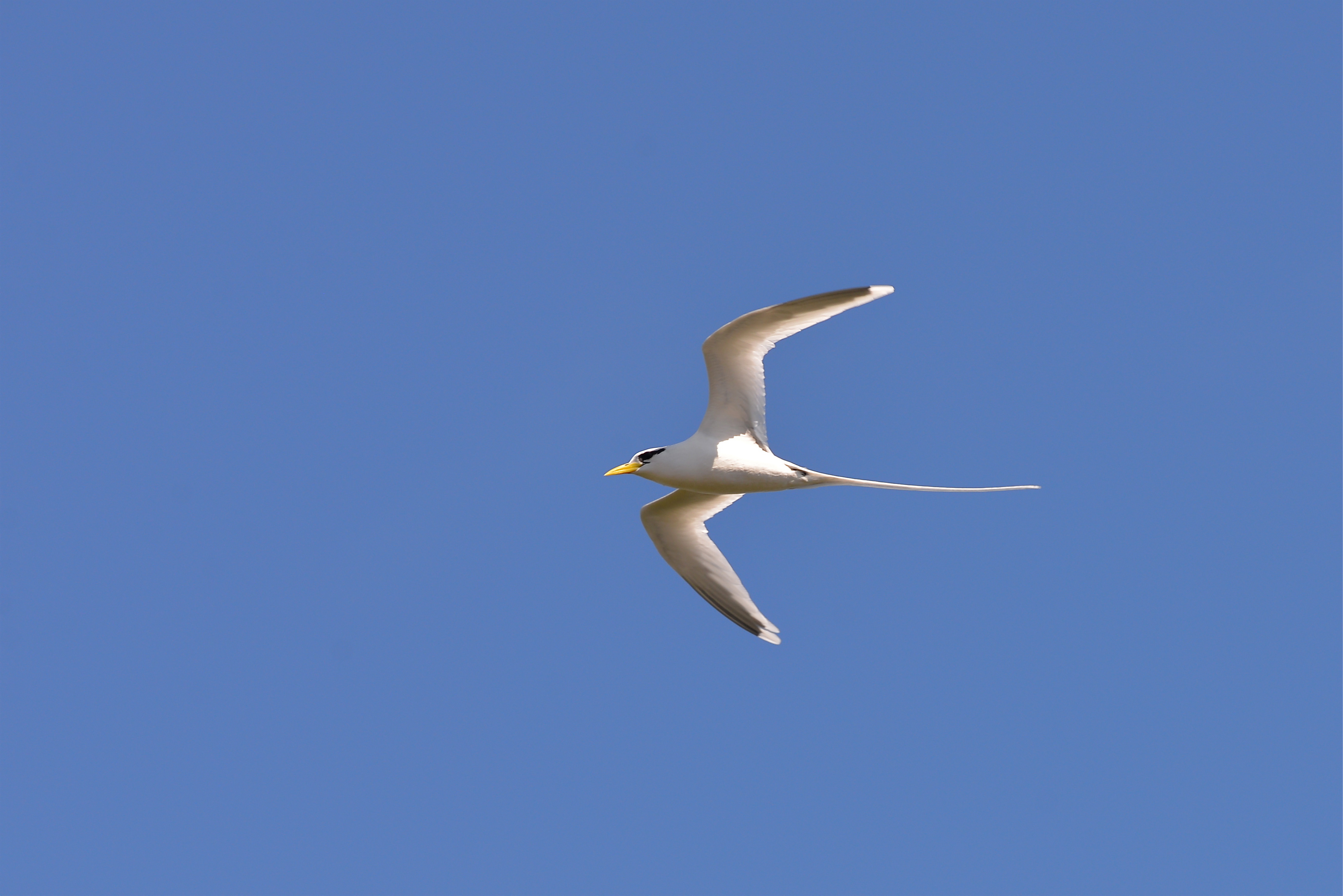
🌙 Night-time actors: explore moths, petrels, and bats.
📸 Photographers: turn nature images into useful data.
🎓 Schools: make students true field observers.
🏞️ Park, Museum, CAUE: connect heritage, landscape, and citizen science.
📍 Local authorities: map ravines, trees, species, and local uses.
📊 Funders: support biodiversity and restoration with field evidence.
Océan
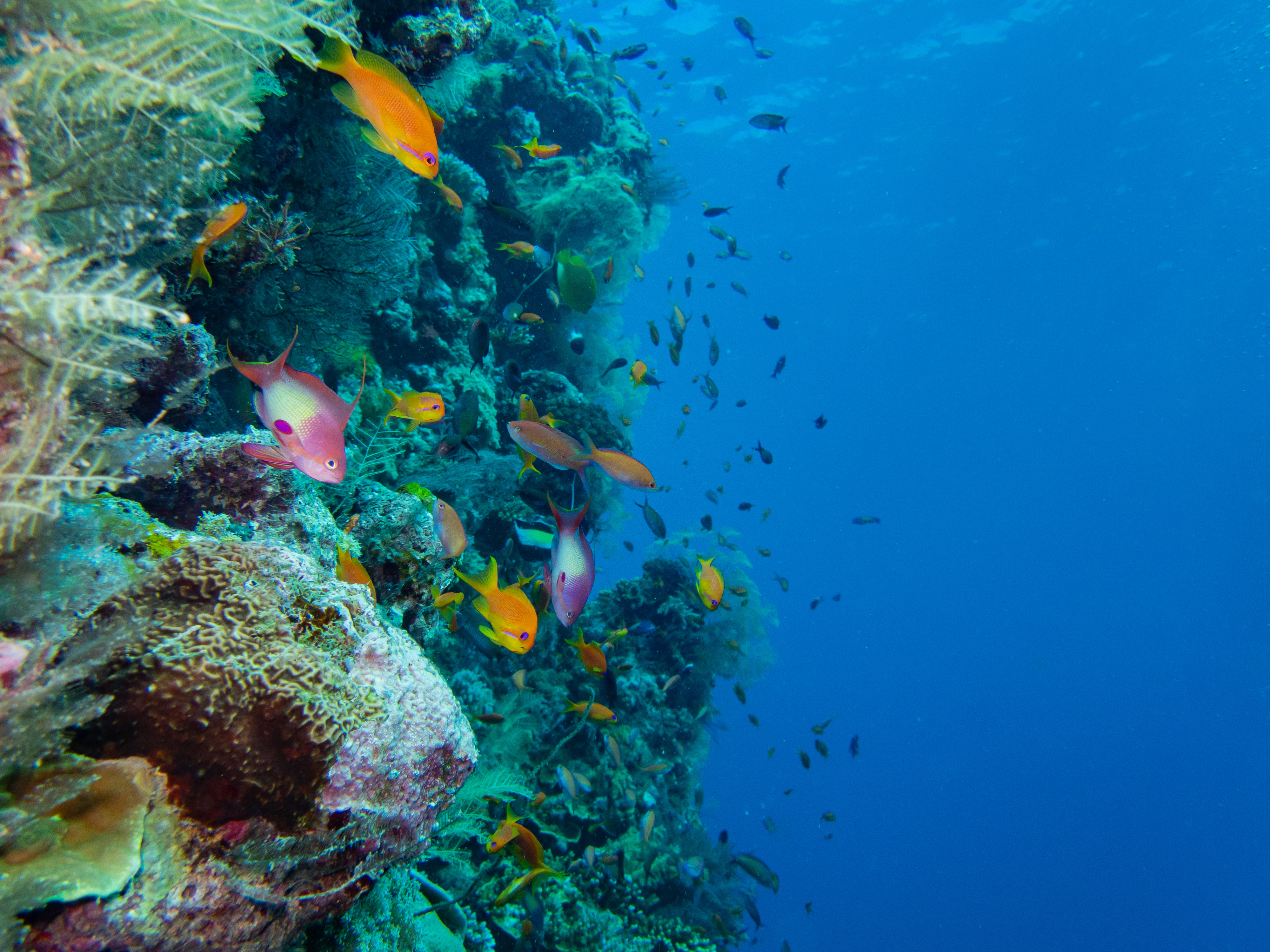
🐠 Marine reserve: strengthen AME, beach, lagoon, and waste monitoring.
🪸 Corals: shed light on orphan species and knowledge gaps.
🐋 Whale-watching: turn sea outings into research platforms.
🐢 Nautical operators: collect useful data in real-life conditions.
🎧 Marine acoustics: connect sounds, megafauna, birds, and coastal uses.
🏖️ Lagoon users: move from opinions to shared observations.
🧭 Guides and clubs: engage audiences in simple protocols.
🎓 Students: contribute to marine monitoring through commitment and fieldwork.
📊 Decision-makers: base coastal management on open data.
🌍 Indian Ocean: connect La Réunion, Mauritius, Mayotte, Madagascar, and Seychelles.
Planète & Santé
🏥 Public health: connect environment, vulnerabilities, and access to care.
🌡️ Climate: document real impacts on bodies and ways of life.
💧 Fresh water: explore fish, life cycles, and invasive species.
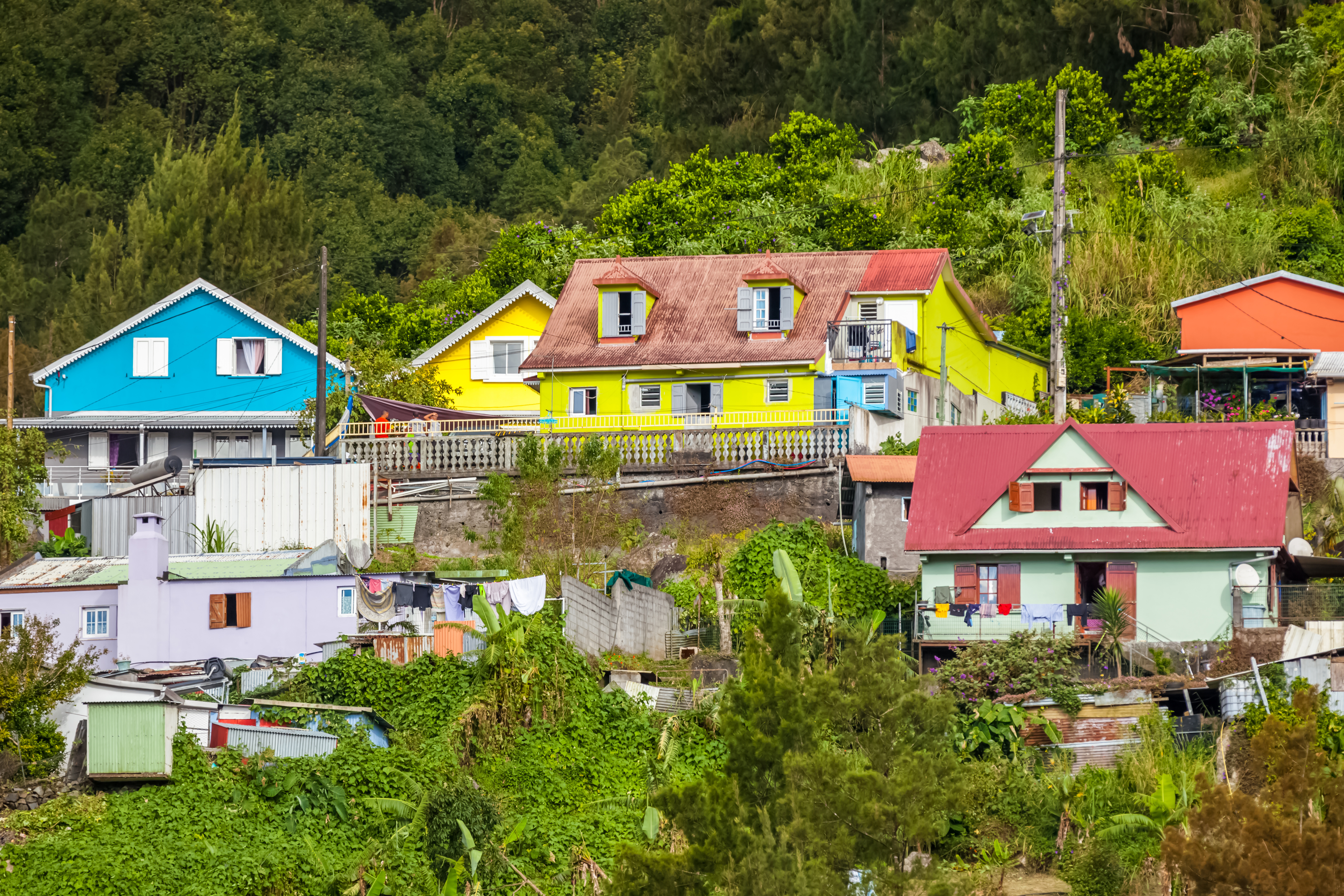
🏘️ Neighborhoods: start from lived needs in Le Port, Saint-Louis, La Possession.
👥 CCAS and municipalities: create useful projects with vulnerable groups.
🎓 University: engage students in society-territory challenges.
🌙 Light pollution: measure the night from places where people live.
🧠 Mediators: fight fears, beliefs, and fixed ideas.
🕊️ Citizens: move from concern to documented action.
📍 Public services: map risks, needs, and local solutions.
LowTech
🔧 Makers: design sensors, housings, and simple, repairable tools.
📡 Field tech: test electronics, telecoms, and data in real-life conditions.
🤖 Marine robotics: imagine low-impact tools to observe without degrading.
🌙 Night: measure the sky with protocols accessible to everyone.
📱 Developers: create apps, maps, open databases, and visualizations.
📷 Image & useful AI: identify species, places, traces, and changes.
🧪 Young people: build, test, fail, improve, and start again.
🏔️ Athletes: safely open access to difficult sites.
🌱 Eco-engineers: connect prototypes, local uses, and restoration.
🚀 Project leaders: leave with a useful, deployable prototype.
Whether you are a student, researcher, engineer, NGO member, policymaker, or entrepreneur, you are welcome to bring your ideas and build impactful projects in a participatory science format!
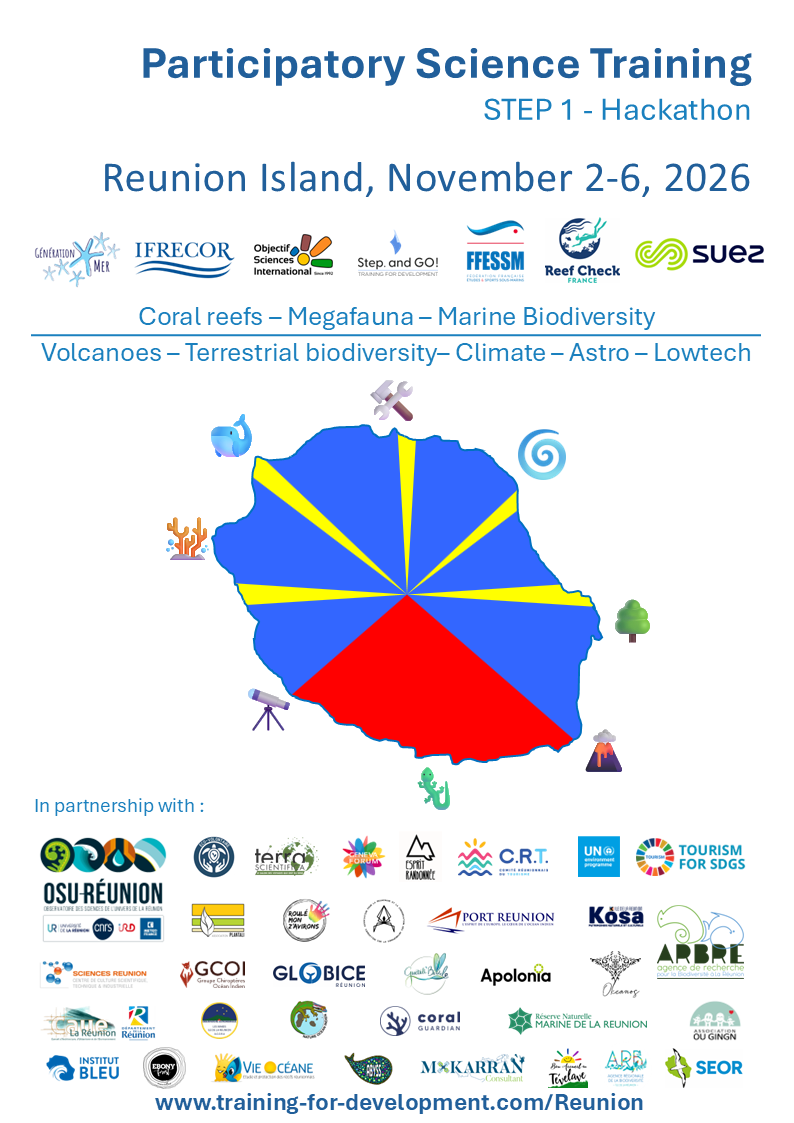
📍 Location:
- Le Village de Corail, Saint-Paul, La Réunion
📆 Dates: - November 2 to 6, 2026
👥 Number of participants: - 50 to 150 people from around the world
💡 Develop your skills through a unique experience
📐 Project design, planning, and management
🤝 Teamwork and interdisciplinary collaboration
🧩 Problem-solving
🌐 Networking and partnerships
🎨 Creativity and innovation
🗣️ Communication
⏱️ Time management and organization
🔄 Adaptability and flexibility
🔬 Knowledge of participatory research and citizen science
🎓 Leave with an official certificate validating your participation!
📅 A rich and stimulating program
🧑🏫 Mentoring with experts
🛠️ Practical workshops
🎤 Final pitch and project presentations
👥 Registration and costs contribution: